What Changed and What Didn't
FASCOM is a redesignation of FCC, the Army's existing concept development command, not a new organization built from scratch. FCC was already responsible for operational concept development, wargaming, and early-stage prototyping. What the October 1 memo adds is scope and acquisition authority. According to Defense Daily and Breaking Defense reporting, FASCOM will bring five organizations under its umbrella: the Combat Capabilities Development Command (DEVCOM), the 75th Innovation Command, the Joint Modernization Command, the Medical Research and Development Command, and the Transformation Decision Analysis Center.
Alongside the command structure, the memo creates a dedicated acquisition executive for autonomy. Most defense reporting uses the title "Program Acquisition Executive" while Army.mil and Defense One use "Portfolio Acquisition Executive" — a distinction that matters. A Program Acquisition Executive typically holds PEO-level procurement authority within a defined domain. A Portfolio Acquisition Executive implies cross-domain authority, including trade-off decisions between programs competing for the same resources. Until the formal position description is published, the scope is interpretive. Reporting also conflicts on whether the FASCOM commander simultaneously holds the acquisition executive role. The Defense One account states those roles merge; other reporting is ambiguous. A single three-star who commands the concept development mission and owns the procurement portfolio is a concentrated authority structure with real efficiency advantages — and real fragility if that role changes leadership during the critical FY2027–2028 execution window.
Three important things did not change. The relationship between FASCOM and T2COM — the Army's Transformation and Training Command, formed in October 2025 from the merger of Army Futures Command and TRADOC to unify force design, development, and generation, including the Transforming in Contact initiative — is not addressed in available official statements. These two commands' responsibilities over training, concept development, and force integration are likely to overlap in ways that will require a boundary memo before the end of the year. The relationship between FASCOM and AutoWarCom — the four-star joint autonomous warfare command Secretary Hegseth announced on September 30 — is described in broad structural terms (FASCOM will support AutoWarCom the way Army Cyber Command supports U.S. Cyber Command) but AutoWarCom itself has a target standup date of October 1, 2027, and its precise authorities are still being written. And the existing PEOs that currently manage autonomous systems programs — PEO Ground Combat Systems, PEO Soldier, PEO Aviation — retain program management responsibilities while the new PAE structure is being stood up. How program authority migrates (if it does) is not yet public.
Why Acquisition Architecture Is the Real Story
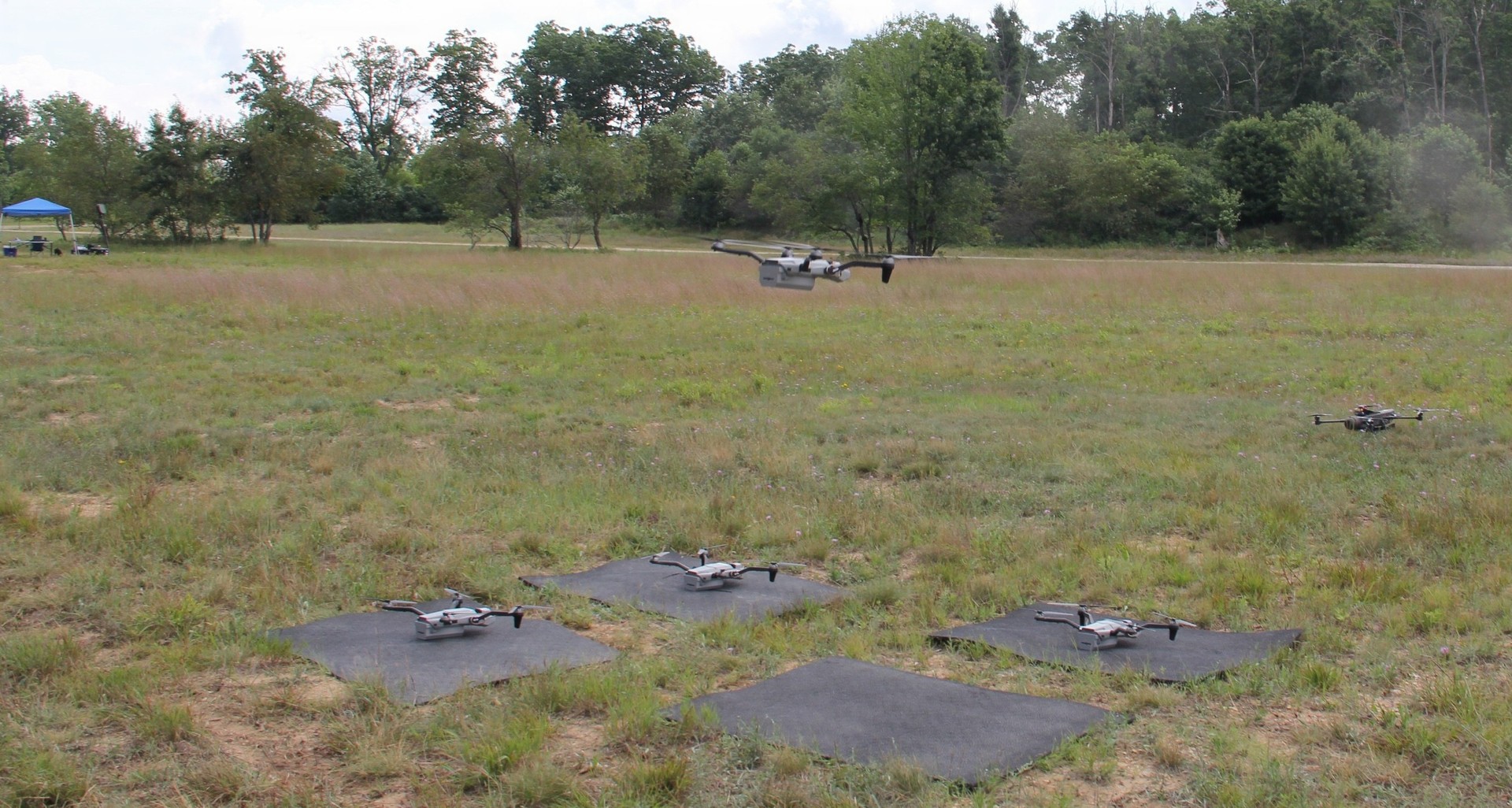
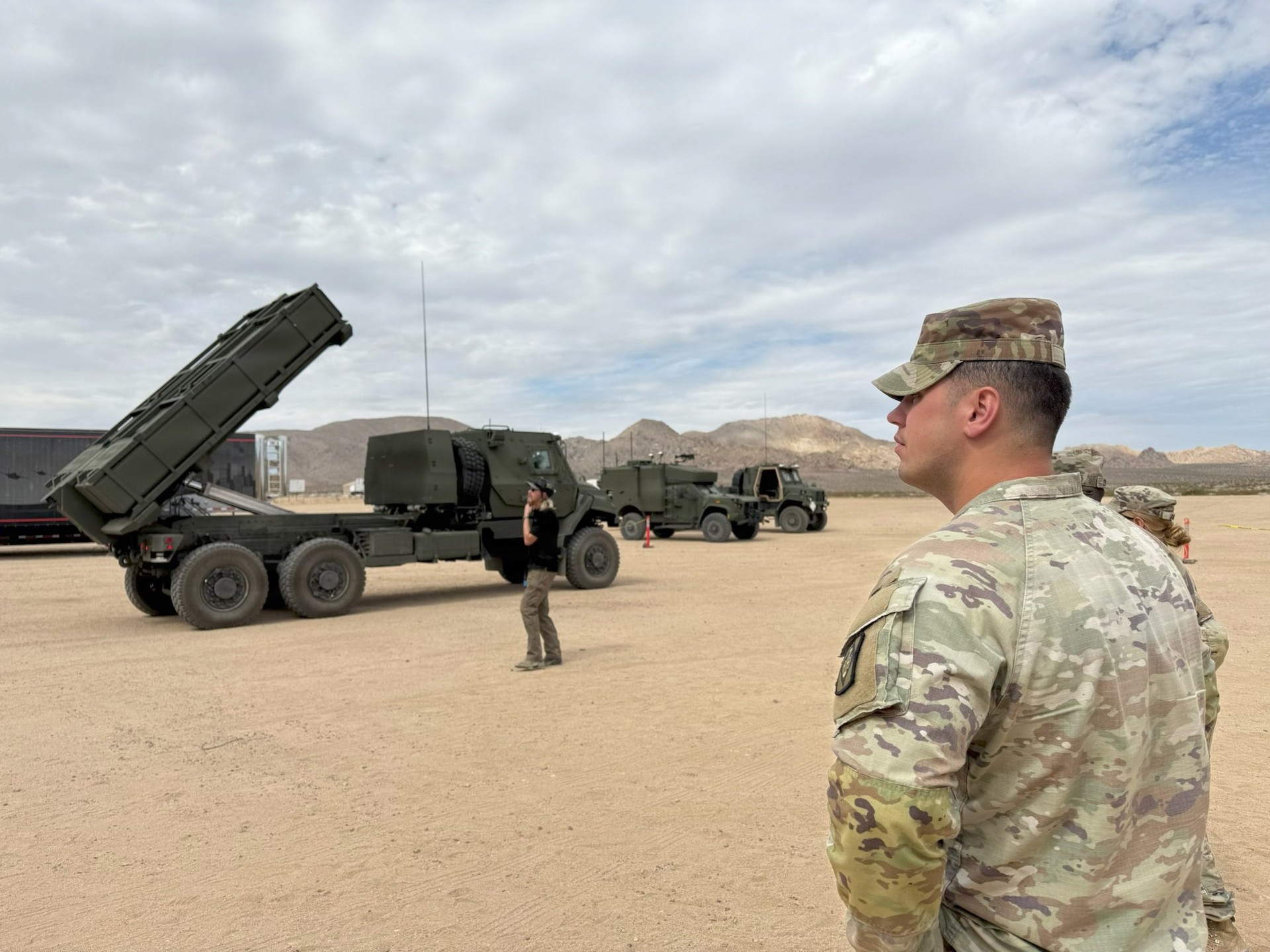
The Army has pursued autonomous systems across more than a dozen programs — UxS Autonomy, OMNI, autonomous resupply, counter-UAS, TITAN ISR, crewed-uncrewed teaming initiatives — under different PEOs and program managers. That dispersal created a familiar pattern in defense modernization: duplicated test infrastructure, competing requirements, incompatible data standards, and no single office accountable for integration across the autonomous-systems family of systems. When Project Convergence Capstone 6 demonstrated autonomous fires and resupply at Fort Irwin this past summer, the feedback from operational units had to travel back to multiple program offices — each with its own prioritization queue and acquisition timeline.
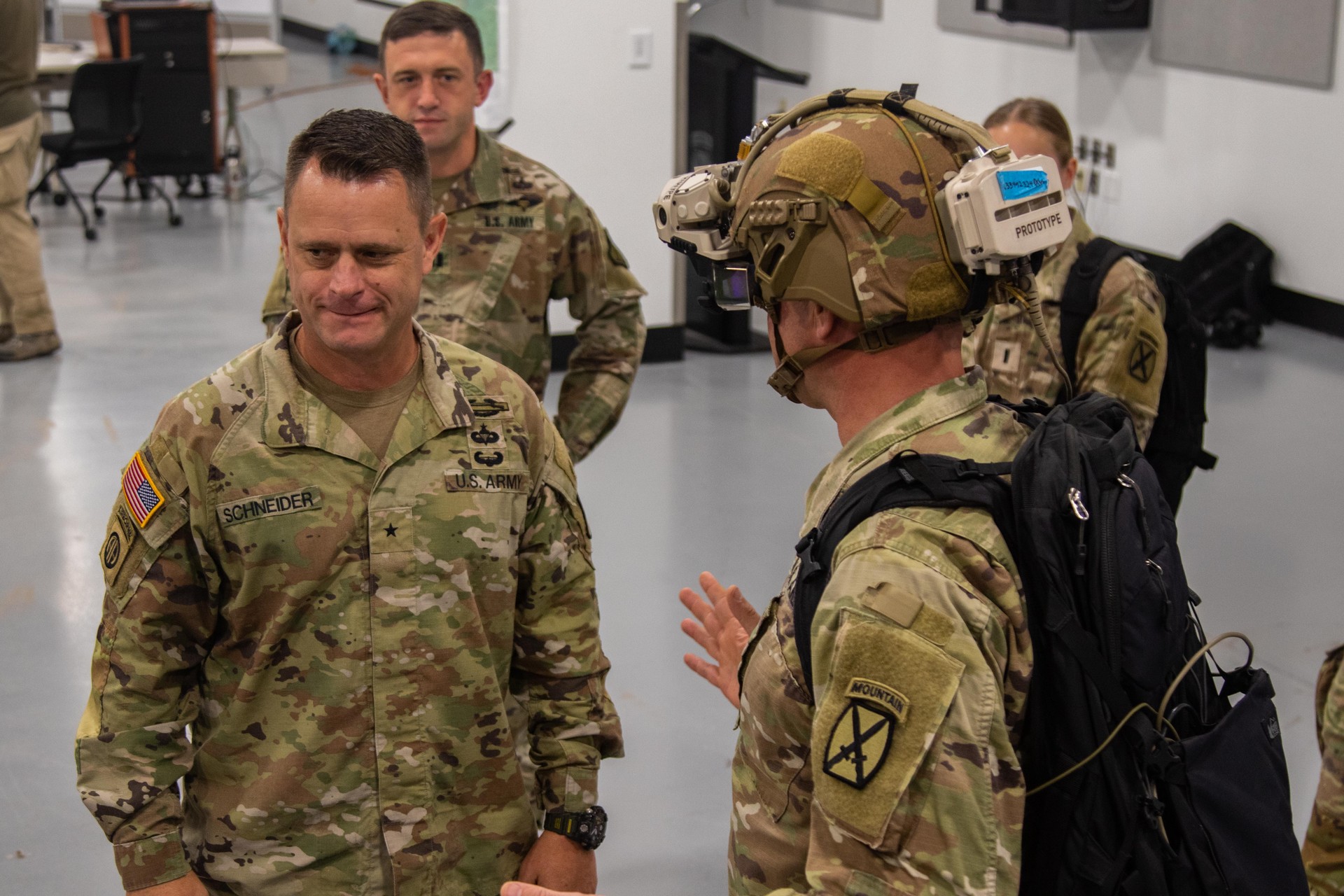
A dedicated acquisition executive for autonomy addresses this structurally. A single PAE means requirements flow through one authority rather than competing within larger portfolios. It also means the feedback loop from operational experimentation to procurement decision is shorter. When soldiers evaluate an autonomous fires system at PC-C6 or in a Transforming in Contact rotation and identify a human-machine interface problem, one office owns both the operational concept and the procurement response rather than splitting accountability.
This is the design logic the Army's October 1 announcement makes explicit: FASCOM will function like Army Cyber Command in relation to U.S. Cyber Command. ARCYBER provides Army forces to USCYBERCOM, maintains Army-specific cyber authorities, and owns Army cyber workforce and infrastructure while being operationally subordinate to the joint commander. FASCOM is intended to play the analogous role for AutoWarCom. Whether that model translates cleanly depends on AutoWarCom's statutory authorities — Cyber Command had a clear legal basis built over years; AutoWarCom is months old and still in design.
FY2028 Targets: Specific Enough to Hold Against
The most operationally significant part of the October 1 memo is its corps-level fielding structure. Rather than a technology readiness threshold or a program schedule date, the targets are unit-based:
- I Corps: an autonomous fires battery and an autonomous watercraft company
- III Corps: an autonomous armored reconnaissance company
- V Corps: an autonomous breaching company
- XVIII Airborne Corps: autonomous aerial ISR and lift companies
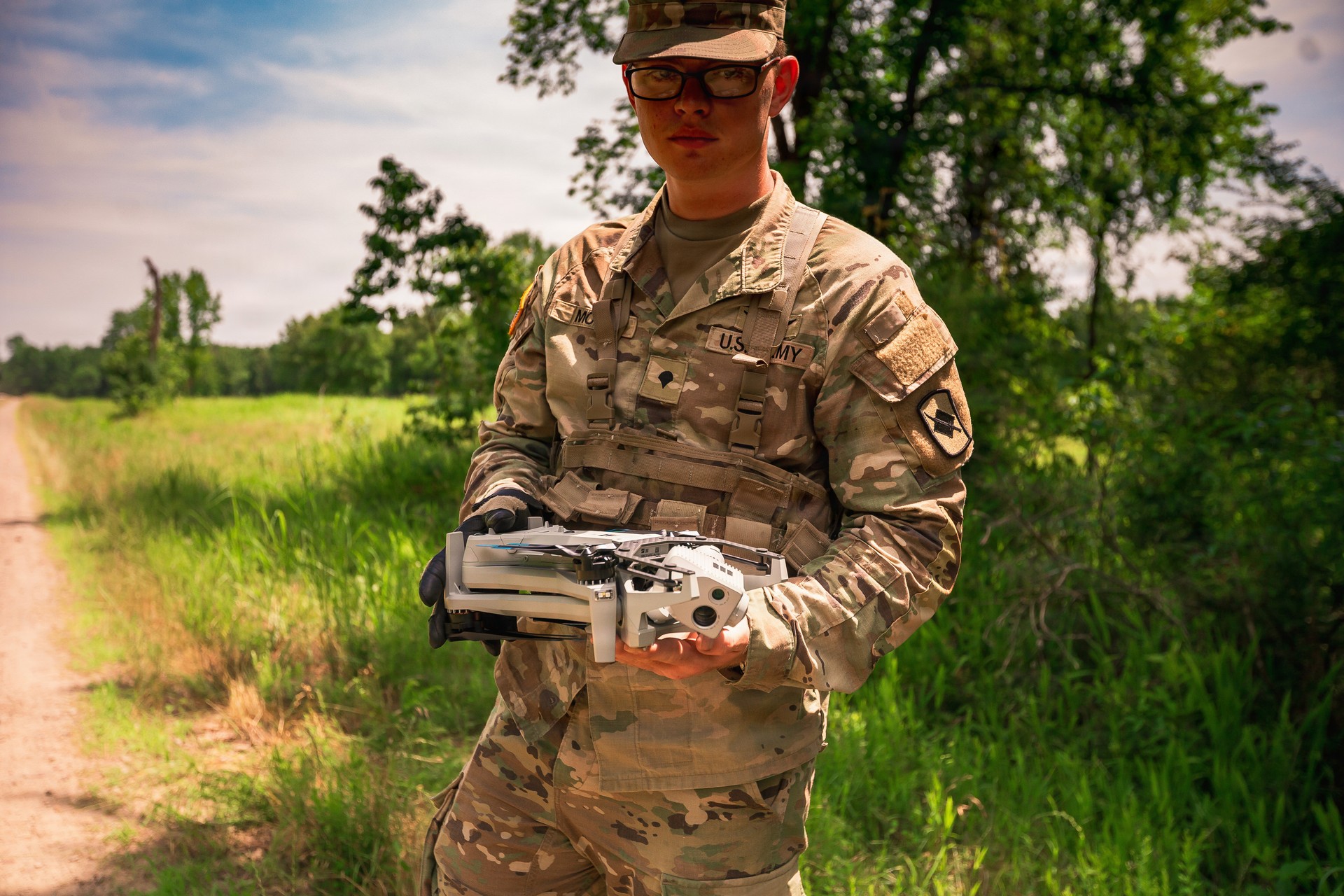
These are commitments to put autonomous systems into operational units, not laboratories. Fielding an autonomous fires battery requires the platform, the software, the command-and-control communications architecture for human-machine teaming, the logistics tail, and the doctrine for how a battery operates with autonomous launchers — all by September 30, 2028. Each of the other mission sets carries the same depth of requirement.
That specificity is useful in two directions. It gives industry and program offices a concrete delivery target early enough to affect current contract decisions. And it creates a verifiable public record: if these systems are not in those units by the target date, the Army will have to explain why in front of Congress and industry. The risk is that these targets reflect a political commitment made before the acquisition executive role is even formally stood up, which means FY2028 execution depends heavily on how quickly FASCOM consolidates five organizations and builds working relationships with existing PEOs during FY2027.
Failure Modes Worth Watching
Reorganization friction before FY2027. Absorbing five organizations means five organizational cultures, five sets of existing contracts and contractors, five reporting chains, and five sets of ongoing programs in various stages of development. The first 12–18 months of any large DoD organizational consolidation are typically dominated by internal governance — defining reporting relationships, resolving inherited contracts, and working through personnel moves — rather than accelerated program execution. FY2028 leaves almost no margin for a slow standup.
Acquisition authority concentration. If one office owns requirements, program decisions, and procurement strategy for every Army autonomous system, that office becomes the critical path for the entire portfolio. A leadership transition, a budget dispute, or a policy conflict that stalls the PAE stalls everything. The dispersed PEO structure that FASCOM is correcting was inefficient, but it was also resilient in one specific way: a problem in one PEO didn't stop the others. Concentrated authority trades resilience for speed and coherence. Whether that trade is net positive depends on execution quality, not just structure.
The T2COM boundary. T2COM's training and transformation mission intersects directly with the doctrine, workforce, and concept development work FASCOM will do. Absent a clear written boundary, program offices risk finding themselves caught between two commands with overlapping authority — a well-documented failure mode in joint and service modernization programs. The boundary memo, when it comes, will be a better indicator of organizational health than any announcement.
AutoWarCom dependencies. FASCOM's design model assumes AutoWarCom will have defined authorities by the time FASCOM's corps-level deliverables arrive. If AutoWarCom's standup is delayed past FY2027, or if its authorities are narrower than the joint command model implies, the FASCOM-AutoWarCom force-provider relationship can't function as designed during the critical fielding period.
A Credible Alternative
The case for FASCOM rests on the claim that integrated ownership — one command owning concept development, operational experimentation, and acquisition — is necessary to close the prototype-to-fielded-capability gap. The alternative, which some Army acquisition voices have argued for, is to keep autonomous systems within existing PEOs and create a coordination office rather than a new command. This preserves deep program management experience within established portfolios, avoids consolidation risk, and keeps platform-level accountabilities clear.
This alternative's weakness is the integration problem: human-machine teaming, shared data architecture, and multi-domain autonomous coordination require someone to own the trade-off decisions across platforms, not just within them. An Army Autonomy Council or cross-PEO working group has historically not produced that authority in practice. FASCOM's consolidation model is justified by that failure — but its execution risk during the transition period is real. If FASCOM is still resolving its internal organization in late FY2027, the existing PEOs operating under normal processes might have fielded more in the same period. The answer will be visible in the first major program decision that flows through the new acquisition executive — likely on autonomous fires or reconnaissance — and whether that decision is faster, better-informed, or just relocated.
What Matters Next
Watch for the formal position description for the autonomy acquisition executive: its actual authority boundaries will define whether this restructure changes acquisition outcomes or simply moves the coordination problem inside a larger org chart. Watch for the T2COM-FASCOM boundary directive, likely before the end of calendar year 2026. Watch for whether the FY2027 budget submission reflects the corps-level fielding targets with actual line-item funding — announcement without appropriation is common enough to be a failure mode of its own. And watch the first program decision under the new structure: how quickly it moves, how clearly it incorporates operational feedback, and whether it applies to the full portfolio or only to the programs that were already on track.
The FY2028 targets are specific enough to be a real test. Whether FASCOM's acquisition structure gives it a better chance of meeting them than the previous dispersed approach is the empirical question the next 18 months will answer.
For program offices and systems integrators working in this space, the shift carries a concrete implication: the evaluation frameworks that will govern how an autonomous system clears the bar before entering an operational unit now flow through a single authority. Spartan X's work in AI verification and human-machine teaming evaluation — assessing whether an autonomous system performs within its operational bounds before it reaches a formation — is directly relevant to what FASCOM's acquisition process will need to define and enforce.
Sources and further reading
- Army announces Futures and Autonomous Systems Command — Army.mil, October 2, 2026
- LaNeve redesignates FCC as FASCOM at AUSA — Defense One, October 13, 2026
- Three-star to lead Army's new autonomy command — DefenseScoop, October 13, 2026
- Breaking Defense: LaNeve redesignation analysis — Breaking Defense, October 13, 2026
- AutoWarCom joint autonomous warfare command announcement — DefenseScoop, September 30, 2026
- Telle memo and FY2028 fielding targets — Defense Daily, October 2026