From the April proposal to September establishment
At an April 2026 Sea-Air-Space roundtable, Admiral Daryl Caudle discussed considering a warfighting development center for robotic and autonomous systems, according to DefenseScoop's account of his remarks. A proposal to consider an organization is not an activation decision. Its significance lies in the function under discussion: connecting new systems with the doctrine, training and evaluation needed to employ them reliably.
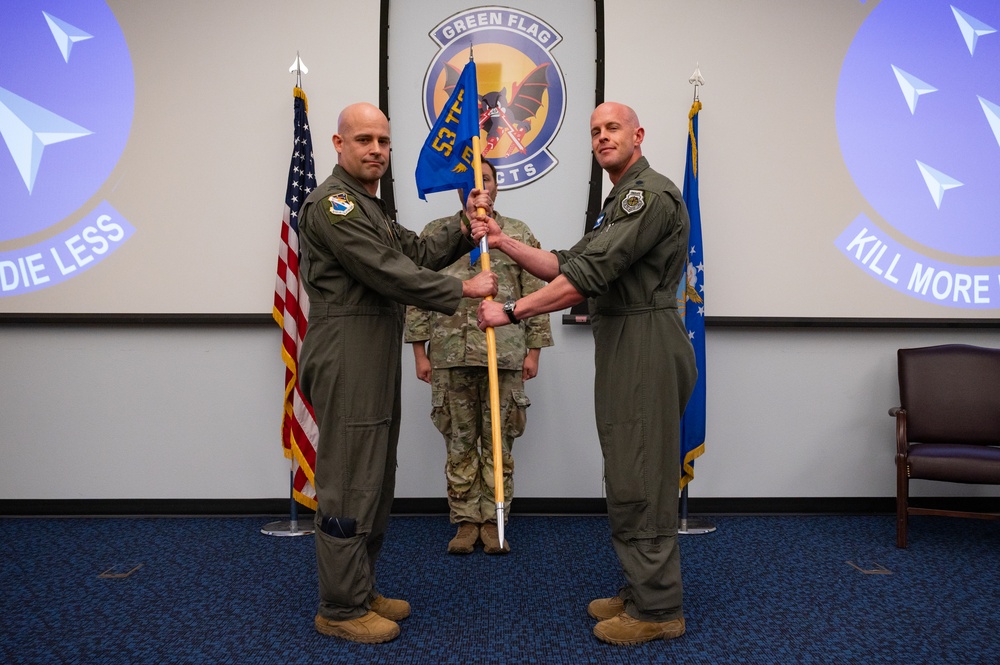
September 25 review update: the Navy's September 24 establishment announcement identifies RASWDC as an Echelon 3 organization at Joint Expeditionary Base Little Creek-Fort Story under U.S. Fleet Forces Command. Rear Admiral Melvin Smith leads a phased implementation toward full operational capability. The announcement separates its operational-employment role from the Direct Reporting Portfolio Manager's acquisition, budgeting, standards and fielding responsibilities, and says existing commands retain their expertise and responsibilities.
That function is broader than writing a tactics publication. It includes identifying lessons from exercises, testing operating concepts, preparing instructors and carrying validated changes into fleet practice. Training is part of the work, not a separate activity that development centers can be assumed to exclude.
The Navy's own March 2026 WDC leadership summit account describes collaboration across warfare communities on training opportunities, tactics, technology and discovered challenges. Autonomous systems, AI and cybersecurity were among the subjects addressed. The institutional question is how best to strengthen and connect that work as autonomous capability expands.
Squadrons provide the operating experience
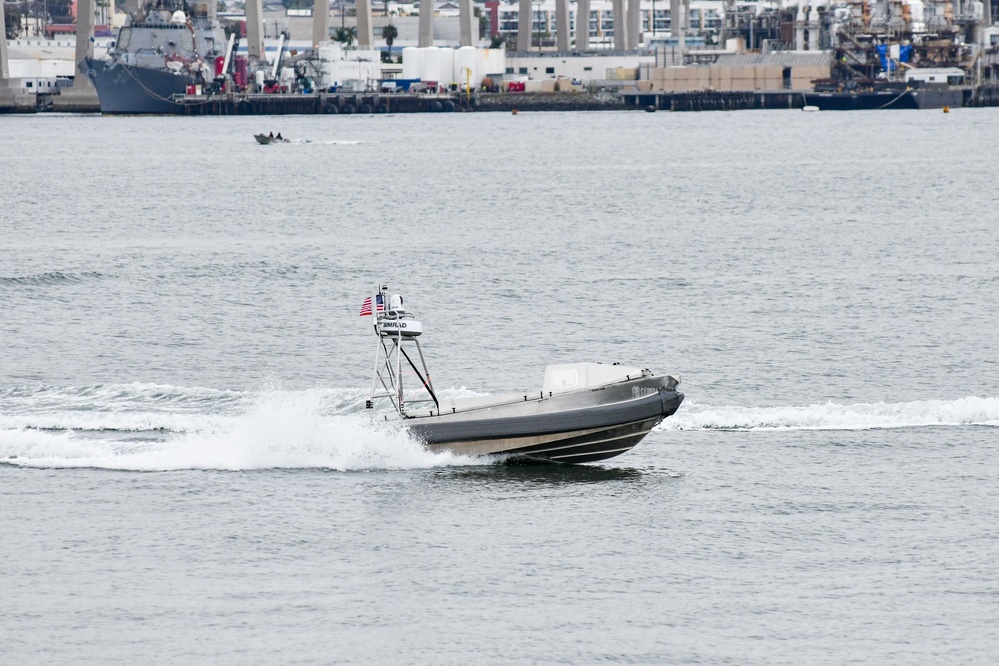
The fleet already has organizations learning from uncrewed systems. The Navy's USVRON 7 establishment account describes a small-USV squadron at Naval Base San Diego, including Global Autonomous Reconnaissance Craft and robotics warfare specialists. Its dated ceremony captions identify April 25, 2025, although the webpage's publication header shows 2026.
The Navy's small-USV fact file also connects prototypes with further experimentation on training, tactics, operating concepts and crewed-uncrewed teaming. These are concrete examples of institutional work already underway.
The people involved are central to the capability. Operators, planners and technicians observe problems that may not appear in a factory acceptance event: confusing status information, maintenance bottlenecks, training gaps or procedures that are difficult to execute under realistic conditions. A development organization needs a reliable way to receive and evaluate those observations.
Close the loop between experience and approved practice
A useful development cycle begins with a specific problem and ends with a change that the fleet can implement. For autonomous systems, that change may involve software, procedures, training or the operating limits of a particular configuration.
The cycle should answer five questions:
- What happened? Preserve the configuration, conditions and relevant observations.
- What caused the difficulty? Distinguish technical behavior from user misunderstanding, support limitations or an unsuitable operating concept.
- What should change? Identify the responsible owner and the evidence needed to support the change.
- How will it be evaluated? Test the proposed improvement and its effects on connected systems and users.
- How will it reach the fleet? Update the relevant training, documentation and configuration records together.
This is where a dedicated center could add value. It could consolidate lessons, reduce duplicated experimentation and help maintain a consistent relationship between approved practices and the technology actually in service. Those benefits depend on the mandate, staffing and working relationships, rather than the organizational title alone.
Vendors need to support operational learning
An autonomy supplier's contribution should extend beyond platform delivery. The customer needs enough access to understand behavior, reproduce a problem and evaluate a proposed fix. Logs, interface documentation, training material and configuration history are therefore part of the usable product.
Relevant acquisition questions include:
- Can the customer distinguish operator actions from automated behavior in the record?
- Can an issue be reproduced using the delivered configuration and test tools?
- Who owns a failure at the boundary between the vessel, payload and command software?
- How are updates coordinated with training and approved operating procedures?
- What rights and support allow lessons to remain useful when suppliers or components change?
Marketplace participation or a prototype selection does not answer those questions by itself. Procurement teams should make the needed deliverables and responsibilities explicit, while development and operational organizations explain how the evidence will be used.
Budget the institution as well as the inventory
Large procurement ambitions increase the need for instructors, evaluators, maintainers and program staff. A growing inventory without adequate support can create pressure on the very organizations expected to turn new technology into a dependable capability.
The appropriate balance depends on the operating concept. Programs should estimate the people, facilities, test access and recurring support needed for the planned fleet, then revisit those assumptions as experience accumulates. A software-intensive capability also needs a process for changes throughout its service life, rather than a one-time transition from development to operations.
The most useful measure of institutional maturity is whether lessons produce controlled, evaluated improvements that reach users. The new center supplies a dedicated integration point. Clear ownership and an effective connection among acquisition, experimentation, training and fleet operations will determine how well it fulfills that role.
Sources and further reading
- DefenseScoop: direct reporting from Caudle's April roundtable
- U.S. Fleet Forces: March 2026 WDC summit
- U.S. Navy: USVRON 7 establishment account
- U.S. Navy: small-USV family of systems fact file
Spartan X's engineering and program execution work connects technical change with the people who must use and sustain it, making operational feedback a practical input to the next configuration, training package and delivery decision.