An access initiative with an industrial-base purpose
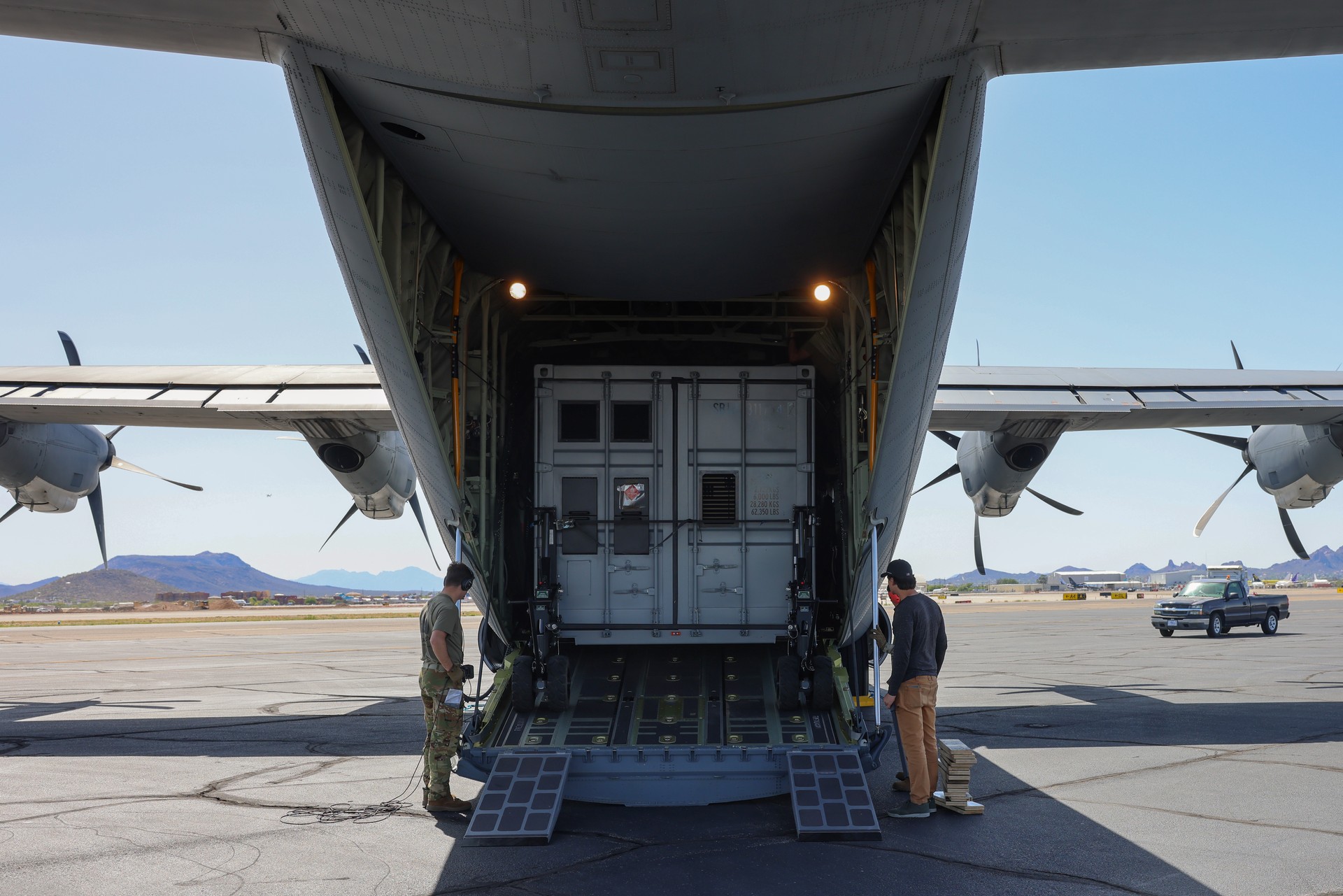
The September 3, 2026 announcement describes an effort to design, produce, and deploy mobile SCIFs across the United States. The Office of Industrial Base Growth leads the initiative, with potential locations including military installations, industry-focused sites such as APEX Accelerators, and other mission-relevant locations. The stated purpose is to broaden participation in classified development, collaboration, and production. Official Secure Space Network announcement
The roughly fifty facilities are a planned capability, not fifty confirmed operating locations. The release also includes related information systems, an important detail: a protected room and a usable classified development environment are not the same deliverable.
For a company evaluating whether to enter classified work, infrastructure can affect the decision well before a contract award. It may need workspace, approved systems, security management, continuing support, and access to the right government or industry partners. Those demands can be substantial even when the technical capability itself is mature.
The burden is especially relevant to smaller firms deciding whether to commit scarce capital before demand is certain. A shared facility can change that calculation by making access to suitable infrastructure available through another arrangement. The benefit depends on the actual service provided, rather than a universal comparison between an assumed permanent-SCIF price and an assumed mobile-SCIF price.
A facility, a company clearance, and an individual's access are different things
Three related requirements should be kept distinct:
- The workspace: a SCIF must be accredited for its intended use before it is used to process, store, use, or discuss Sensitive Compartmented Information. Accreditation is an official determination, not a label attached to a transportable structure.
- The entity: a contractor may need an appropriate facility clearance for classified contractual work. DCSA requires a legitimate classified need and sponsorship; a company cannot sponsor itself simply to improve its market position.
- The individual: clearance eligibility does not create unrestricted access. The person also needs the appropriate authorization and a need to know the information for their duties.
These distinctions follow the intelligence-community facility rules and DCSA's industrial-security guidance. ICD 705, DCSA facility clearances, DCSA personnel-access guidance
A mobile facility can help with the first requirement. It does not automatically grant the other two, remove program-specific restrictions, or make every visitor to an APEX Accelerator eligible for classified access. That is why the access process needs to be designed alongside the facility itself.
Why the proposed locations matter
Locating secure workspace near existing supplier-support organizations could make it easier for qualified firms to connect procurement preparation with an actual classified project. It could also reduce the travel and coordination burden on teams outside established defense-industry centers.
This is particularly relevant where commercial expertise may be useful to a classified program: AI, cybersecurity, advanced engineering, materials, and other specialized technologies. A firm can have relevant capability without already maintaining the facilities and relationships required for classified collaboration. Shared infrastructure can help close that gap when there is a legitimate program need and the necessary approvals.
Placement alone will not determine access. A nearby site with limited hours, unavailable systems, or long scheduling delays may offer less practical value than its location suggests. Demand, mission requirements, and operating support should guide deployment decisions.
The operating model will determine the reach
The public announcement does not establish a complete fee schedule, subsidy model, or universal eligibility process. These details matter because a facility can be physically available while remaining difficult for a small firm to use.
Program owners should make the participation model clear:
- Eligibility and sponsorship: which organizations and projects can request access, and who validates the requirement?
- Supported work: which approved activities, information systems, and collaboration needs can the site accommodate?
- Scheduling: how are limited capacity and competing program priorities managed?
- Costs: which expenses are borne by the government, a sponsoring program, or the participating company?
- Support: who maintains the facility and systems, manages users, and resolves access or service problems?
- Continuity: how can an approved project keep working when a facility moves, undergoes maintenance, or changes availability?
These are questions for implementation, not claims that a particular charging model has already been chosen. A cost-recovery approach and a program-funded approach can affect participation differently. The government will need evidence about demand, utilization, and the barriers participants still encounter.
Accreditation is a continuing responsibility
Intelligence-community standards describe accreditation as the beginning of an ongoing process of monitoring, evaluation, and review. The operating organization must maintain the facility's accredited state over time. Mobility does not make those responsibilities disappear. ICS 705-02
That means the program's cost and schedule should include the people and processes needed to sustain access. Construction or delivery counts alone cannot show whether a site is reliably supporting approved work. Facilities, systems, staffing, and security management need a coherent operating plan.
Measure participation, not just delivered units
Approximately fifty deployable facilities could be a meaningful beginning, but the announcement alone cannot establish whether that number matches national demand. A useful assessment would track how many eligible organizations gain practical access, how long access takes, which regions and needs are served, and whether projects can continue without avoidable disruption.
The competitive outcome also matters. Are more qualified suppliers able to understand a requirement, collaborate, and perform? Do smaller firms encounter lower total participation costs? Do program offices gain capabilities they otherwise would have struggled to reach?
The Secure Space Network offers a concrete way to address infrastructure as part of industrial-base development. Its success will come from turning planned facilities into dependable, appropriately controlled access for real projects.
Sources
- Department of War: Secure Space Network announcement
- ODNI: ICD 705, Sensitive Compartmented Information Facilities
- ODNI: ICS 705-02 accreditation and reciprocal use
- DCSA: facility clearance process
- DCSA: facility security officer FAQs
Spartan X's cybersecurity, logistics, and program execution practices address the work around secure infrastructure: clear responsibilities, usable access processes, and support arrangements that let approved teams focus on the mission.